Skilled Electric Expert Solutions for All Needs
A skilled electrical contractor provides services that address a diverse range of requirements across residential and commercial sectors. These experts guarantee adherence with safety regulations and enhance operational efficiency. From setup to energy management, their expertise is essential for minimizing risks and preventing expensive mistakes. Grasping the complexities of local regulations strengthens their worth. Nevertheless, steering through the engagement and selection process can be complicated, posing critical inquiries about how to select the right contractor for specific needs.
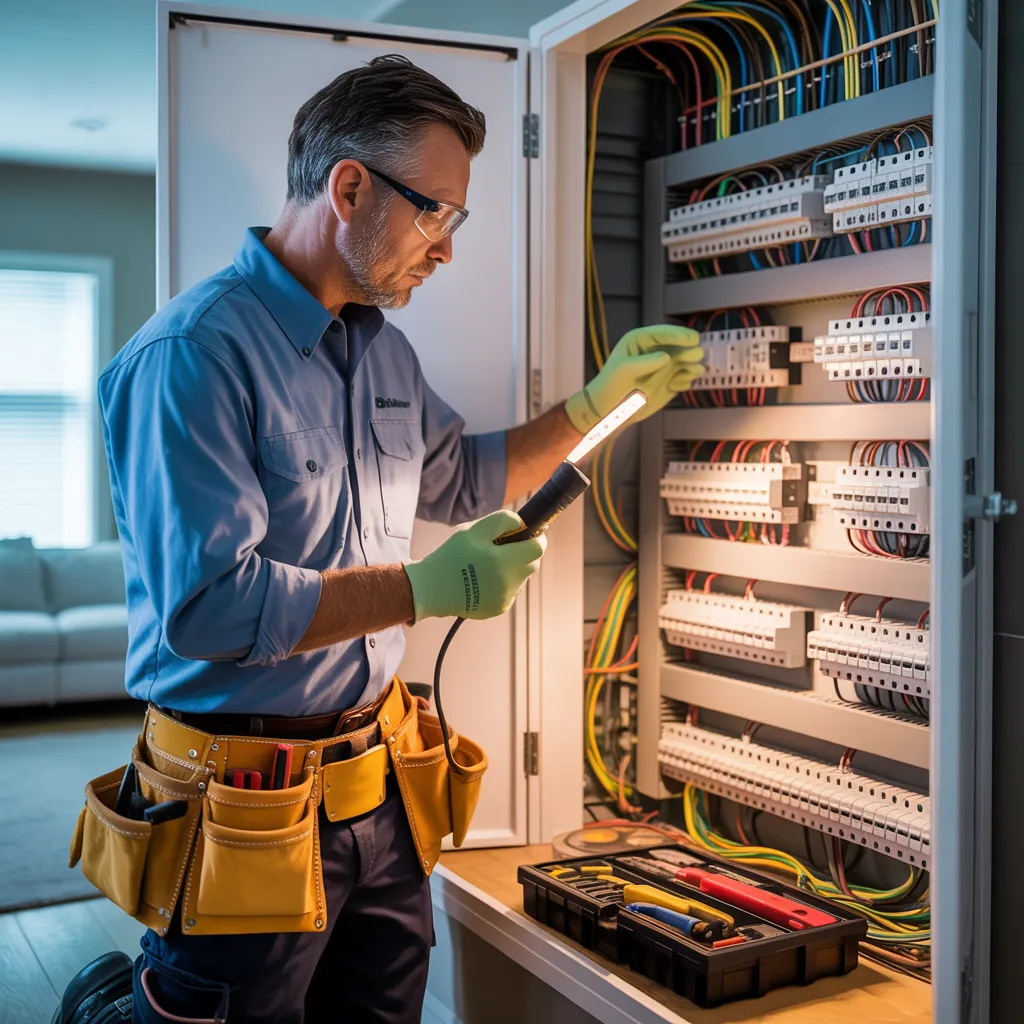
Why Working with a Competent Electrical Technician Is Indispensable
Retaining a proficient electrical contractor can markedly improve the integrity and functionality of a building's electrical system. These authorities hold the critical expertise and experience to guarantee that all electrical work complies with local guidelines and regulations. This respect minimizes the risk of hazards such as electrical fires, shock, and equipment failure. Additionally, a qualified contractor can accurately assess the specific electrical needs of a property, presenting tailored solutions that enhance efficiency and performance.
In conjunction with safety, engaging a specialist can prevent costly blunders that frequently emerge from DIY undertakings or hiring unqualified individuals. Their skill permits swift project completion while preserving quality. Additionally, a reputable professional commonly offers protection plans and assurances, delivering assurance to homeowners. In the final analysis, the choice to engage a certified electrical expert is not merely about comfort; it is an investment in the enduring safety and stability of a building's electrical system.
Standard Power Services Supplied by Contractors
A comprehensive range of power solutions is regularly supplied by service providers to satisfy diverse client needs. These solutions consist of household electrical work, where contractors install and maintain electrical systems in homes, ensuring safety and compliance with local codes. Corporate electrical services includes implementations and fixes in business environments, prioritizing cost-effective power management and steady performance.
Additionally, electrical experts supply illumination improvements and installation, improving both aesthetics and functionality in numerous settings. They also specialize in repairing and troubleshooting electrical issues, addressing matters like dimming fixtures or circuit overloads.
Furthermore, energy efficiency assessments are performed to assist customers reduce consumption and lower utility costs. Contractors often assist with the installation of intelligent residential technology, incorporating advanced systems for enhanced control and convenience. Finally, emergency electrical services are available to handle pressing concerns, guaranteeing that customers receive prompt assistance when needed.
Examining Electrical Contractor Certifications
Checking the credentials and experience of an electrical contractor is fundamental for confirming quality and safety in electrical work. Key factors include the necessary licensing and certifications, thorough insurance and liability coverage, and a proven track record of experience. These elements collectively provide a foundation for appraising the contractor's reliability and professionalism.
Licensing and accreditations act as essential indicators of an electrical contractor's qualifications and compliance to industry standards. Each region has specific licensing requirements that contractors must fulfill, often involving a combination of education, training, and experience. Certifications from recognized organizations further confirm a contractor's expertise in specific areas, such as residential, commercial, or industrial electrical work. These credentials not only ensure compliance with local regulations but also reflect a commitment to safety and professionalism. Clients should verify these credentials before hiring, as licensed contractors are typically more knowledgeable about current codes and best practices. Ultimately, proper licensing and certifications enhance consumer confidence and support the successful execution of electrical projects.
Insurance And Liability Coverage
Insurance and liability coverage play important roles when judging the qualifications of an electrical contractor. These protections ensure that both the contractor and the client are safeguarded from potential accidents. A qualified electrical contractor should hold general liability insurance, which covers property damage or injuries that could occur during the project. Additionally, workers' compensation insurance is vital, as it covers workplace injuries sustained by employees. Clients should verify that the contractor’s insurance is valid and adequate to cover the scope of work. This not only reduces financial risk but also highlights the contractor's commitment to professionalism and safety. Ultimately, comprehensive insurance and liability coverage serve as indicators of a dependable and trustworthy electrical contractor.
Experience and Proven Results
Experience serves as a base in evaluating the qualifications of an electrical service provider. A contractor's portfolio of past projects demonstrates their capacity to handle various electrical tasks, extending from residential projects to complex commercial systems. Potential clients should review the contractor's portfolio, looking for successful projects that correspond to their unique needs. Additionally, time in the industry often correspond to a greater knowledge of regulatory requirements and safety find the facts standards. Client testimonials and reviews can deliver insights into reliability and customer satisfaction. Credentials and licenses validate a contractor's expertise, showcasing ongoing education and adherence to industry standards. Ultimately, a robust track record supports informed choices, ensuring clients hire a contractor able of delivering quality work consistently.
The Purpose of Electrical Contractors in Home Renovations
In the complicated dance of home renovations, electrical contractors play a significant role, assuring that every wiring and lighting preference strengthens both safety and appearance. Their expertise is vital in designing and executing electrical schemes that observe building codes and regulations. From installing energy-efficient lighting to deliberately placing outlets, these professionals deliver functionality and convenience throughout the home.
Furthermore, electrical contractors assess current systems, identifying required upgrades or repairs that improve overall power optimization. This not only decreases energy expenses but also supports to a more sustainable living space. They work closely with other trade professionals, coordinating their efforts with plumbing, carpentry, and design components to establish a unified renovation plan.
Finally, the participation of electrical contractors is essential for turning a house into a safe, stylish, and modern home, underscoring their importance in any successful renovation project.
Electrical Contractor Support for Commercial Spaces
Regarding commercial spaces, electrical contractors fulfill an important function in putting in place efficient wiring installations and energy management frameworks. These strategies not only elevate operational effectiveness but also create cost savings over time. By emphasizing modern electrical strategies, businesses can refine their energy consumption and enhance overall functionality.
Efficient Wiring Setups
Proficient wiring setups are necessary for advancing capability and safety in commercial spaces. A methodically planned wiring system strengthens electrical performance while reducing the risk of hazards. Expert electrical contractors assess the unique needs of each facility, ensuring that wiring is configured to support various applications, from lighting to heavy machinery. By utilizing robust materials and adhering to industry standards, they diminish maintenance issues and extend the lifespan of electrical systems. In addition, effective wiring designs allow future upgrades and expansions, allowing businesses to adapt to evolving technological demands. Ultimately, investing in proficient wiring installations not only optimizes operational efficiency but also contributes to a safer working environment, promoting overall productivity and peace of mind for both employers and employees.
Energy Administration Tools
Perfecting electrical systems transcends streamlined wiring arrangements; it comprises the introduction of EMS that boost energy performance in industrial and commercial environments. EMS solutions offer continuous observation and supervision of energy consumption, permitting businesses to pinpoint consumption trends and behaviors and minimize waste. By fusing next-generation solutions, such as smart meters and automated controls, EMS can dramatically lower expense burdens while promoting sustainability. Electrical contractors prove invaluable in formulating and deploying these infrastructures, affirming they accommodate unique business requirements. With adapted energy management configurations, businesses can obtain greater power performance, maintain regulations, and boost their collective operational success. Putting in place an EMS helps the bottom line and simultaneously furthers a more sustainable future.
Methods to Present Your Specifications With Building Experts
Articulating project needs clearly is vital when partnering with electrical contractors. Clients should commence by establishing the project scope, noting the type of work required, whether it's new installations, upgrades, or repairs. Communicating comprehensive information helps contractors comprehend expectations and necessary resources.
Additionally, customers should convey their budget constraints and schedules. Sharing these parameters allows service providers to suggest realistic approaches and timelines. It is also advantageous to discuss any particular requirements for materials or technologies, as well as any relevant security or regulatory factors.
Visual aids, such as diagrams or images, can further enhance understanding. Encouraging open dialogue fosters a cooperative atmosphere, enabling contractors to ask detailed inquiries and suggest options. Finally, establishing a main contact person guarantees efficient communication throughout the project. By following these guidelines, clients can successfully share their needs, leading to positive project outcomes.
Expectations During Your Electrical Service Process
What would an individual anticipate during the electrical installation phase? At the outset, the electrician will perform an assessment of the project requirements, reviewing the scope and any specific concerns. Subsequently, they will deliver a comprehensive estimate, outlining expenses and timelines. Once the agreement is in place, the professional will arrange the work and secure any necessary documentation.
During actual work completion, one can anticipate clear communication concerning progress and potential disruptions. The contractor will ensure safety protocols are followed, reducing risks to both workers and residents. As the project progresses, assessments may take place to ensure adherence with local codes.
Upon finishing, the contractor will conduct a final walkthrough, handling any concerns and confirming all systems function correctly. Finally, they will provide documentation, including warranties and maintenance tips, confirming that the homeowner is well-informed about their new electrical installations. This meticulous process aims to deliver reliable and effective electrical solutions.
Frequently Asked FAQ
What Is the Typical Cost of Hiring an Electric Professional?
Average costs associated with retaining an electrical contractor generally span from $50 to $100 per hour, influenced by the project's complexity and location. Set fees for specific jobs could be available, differing greatly.
How Much Time Will Standard Electrical Work Require to Complete?
Typical electrical work duration differs, often requiring a few hours to several days, based on the project's complexity. Elements like the type of installation, existing wiring conditions, and contractor efficiency play important roles in how long it takes to complete.
Are Electricians Certified in All States?
Electrical professionals are typically obligated to be licensed in most states, guaranteeing they satisfy particular training and expertise standards. However, licensing requirements can vary considerably, so it's important to check local codes for accurate information.
Can I complete Any Electric Work Myself?
Individuals can perform some minor electrical work themselves, such as changing outlets or light fixtures, but must adhere to local codes. For complex tasks, hiring a licensed professional is advisable to ensure safety and compliance.
What Precautions Ought I Execute if an Electrical Emergency Happens?
In case of an electrical crisis, one should at once turn off the power at the circuit breaker, avoid touching any live wires, and reach out to a qualified electrician for help to guarantee safety and proper resolution.